You must be 18+ to visit this website
The content on this website is AGE RESTRICTED
Please confirm you are at least 18 years old of age. Otherwise leave the website.
Taekhesis profile
Taekhesis
18+
Taekhesis
๐๐จ๐ญ ๐‚๐ซ๐ž๐š๐ญ๐จ๐ซ | ๐’๐ญ๐จ๐ซ๐ฒ ๐๐ฎ๐ข๐ฅ๐๐ž๐ซ | ๐€๐ˆ ๐Œ๐ฎ๐ฌ๐ข๐œ ๐‚๐ซ๐ž๐š๐ญ๐จ๐ซ | ๐€๐ˆ ๐€๐ซ๐ญ ๐ƒ๐š๐›๐›๐ฅ๐ž๐ซ | ๐Ÿซ– Welcome aboard the Taeship. I'm Tae โ€” worldweaver, character-builder, and proud proprietor of a slightly overcrowded mind currently mediating a dispute between the Sarcasm Department and the Procrastination Posse. I build character-driven stories and companions across a handful of universes, dabble in AI art and music, and share a fair bit of behind-the-scenes chaos along the way. Some of what happens here is polished. Most of it is still steeping. If you're here, you're either already caffeinated or about to be. Grab a cup, pick your depth, and settle in. | Find me: https://taekhesis.com
Message

Subscription Tiers

FREE
๐“๐š๐ž๐ฅ๐ข๐ ๐ก๐ญ๐ฌ

๐‘ต๐’๐’• ๐’†๐’—๐’†๐’“๐’š๐’๐’๐’†'๐’” ๐’“๐’†๐’‚๐’…๐’š ๐’•๐’ ๐’”๐’†๐’• ๐’”๐’‚๐’Š๐’.

Some just like to watch the harbour lights flicker from the shore โ€” and that's more than welcome here too.

Taelights is free, open to anyone, and yours simply for dropping by.

Includes: โœถ Public access โ€” open to anyone โœถ 4 SFW images with every bot drop โœถ Whatever's shared publicly, whenever the tide brings it in

โœถ Taelights
Unlock
$3
USD monthly
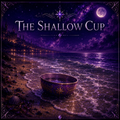
โœถ ๐“๐ก๐ž ๐’๐ก๐š๐ฅ๐ฅ๐จ๐ฐ ๐‚๐ฎ๐ฉ

๐‘ฌ๐’—๐’†๐’“๐’š ๐’—๐’๐’š๐’‚๐’ˆ๐’† ๐’ƒ๐’†๐’ˆ๐’Š๐’๐’” ๐’”๐’๐’Ž๐’†๐’˜๐’‰๐’†๐’“๐’† ๐’„๐’‚๐’๐’Ž.

The Shallow Cup is the first pour โ€” taken at the water's edge, before the current's had any chance to pull.

Includes: โœถ Full SFW PFP galleries โ€” complete sets, not just the public taste โœถ Sneak peeks at what's coming โœถ Behind-the-scenes glimpses of the brewing process

โœถ Taecups
Unlock
$5
USD monthly
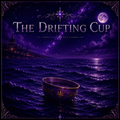
โœถ ๐“๐ก๐ž ๐ƒ๐ซ๐ข๐Ÿ๐ญ๐ข๐ง๐  ๐‚๐ฎ๐ฉ

๐‘ป๐’‰๐’† ๐’„๐’–๐’“๐’“๐’†๐’๐’•'๐’” ๐’„๐’‚๐’–๐’ˆ๐’‰๐’• ๐’Š๐’• ๐’๐’๐’˜.

Still afloat, still steaming โ€” just a little further from shore than it meant to drift.

Includes everything from the Shallow Cup, plus: โœถ Full NSFW PFP galleries

โœถ Taewaves
Unlock
$10
USD monthly
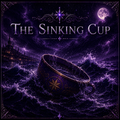
โœถ ๐“๐ก๐ž ๐’๐ข๐ง๐ค๐ข๐ง๐  ๐‚๐ฎ๐ฉ

๐‘ฌ๐’—๐’†๐’๐’•๐’–๐’‚๐’๐’๐’š, ๐’•๐’‰๐’† ๐’˜๐’‚๐’•๐’†๐’“ ๐’˜๐’Š๐’๐’”.

And what's left is what was always brewing underneath, waiting for the light to fade before it rises.

Includes everything from the Drifting Cup, plus: โœถ Full SFW and NSFW galleries โ€” everything, unrestricted โœถ Early access to bots

โœถ Taetides
Unlock
$50
USD monthly
โœถ ๐ƒ๐จ๐ฐ๐ง ๐–๐ข๐ญ๐ก ๐ญ๐ก๐ž ๐๐จ๐ญ

๐‘จ ๐’ˆ๐’๐’๐’… ๐’„๐’‚๐’‘๐’•๐’‚๐’Š๐’ ๐’ˆ๐’๐’†๐’” ๐’…๐’๐’˜๐’ ๐’˜๐’Š๐’•๐’‰ ๐’•๐’‰๐’† ๐’”๐’‰๐’Š๐’‘. ๐‘จ ๐’ˆ๐’๐’๐’… ๐’‰๐’๐’”๐’• ๐’ˆ๐’๐’†๐’” ๐’…๐’๐’˜๐’ ๐’˜๐’Š๐’•๐’‰ ๐’•๐’‰๐’† ๐’‘๐’๐’•.

For those who'd like to throw a little extra love my way, and can.

Includes everything from the Sinking Cup, plus: โœถ Your name or an inspiration thereof given to an NPC in an upcoming universe โœถ AND/OR your name or an inspiration thereof written into an HTML lore piece โœถ AND/OR a personal dedication

โœถ Taepharos
Unlock

Welcome

  • ๐–๐ˆ๐ ๐†๐ฅ๐ข๐ฆ๐ฉ๐ฌ๐ž๐ฌ โ€” The mess before the polish โ€” behind-the-scenes shots and in-progress looks.
  • ๐„๐š๐ซ๐ฅ๐ฒ ๐€๐œ๐œ๐ž๐ฌ๐ฌ โ€” First look before the tide brings it to shore โ€” early access to AI character drops.
  • ๐’๐ฎ๐›๐ฌ๐œ๐ซ๐ข๐›๐ž๐ซ-๐Ž๐ง๐ฅ๐ฒ ๐“๐ก๐ซ๐ž๐š๐๐ฌ โ€” A private berth in the Velvet Haven Discord, reserved for those aboard the Taeship.

Displaying posts with tag Process.Reset Filter
Taekhesis
Public post

AI Music: How I Actually Make It

Taetime ยท Vol. 17
Let me clear something up before we go any further: I write the lyrics.
Not AI. Me. Every word, every line, every chorus in eleven albums across Vitrium and Cenere โ€” written by a person, sitting at a desk, chasing a feeling. AI helps me smooth things out, adjust the phrasing, roast me when something isn't working, and handle the languages I don't speak fluently (which is most of them โ€” I dabble in Italian and Japanese at most, I couldn't write or converse in Korean, Mandarin, or Japanese at any functional level). But the origin of every lyric is human. That seems important to say clearly, because I know people assume otherwise.
With that on the table, let me walk you through how this actually works.

Two Kinds of Songs

Not all songs get made the same way, and the first decision is always: what is this song for?
There are story-bearing songs โ€” songs that either drive a narrative beat or exist because a specific moment in a character's arc demanded them. And there are album songs โ€” tracks that set the emotional tone of an era, build out a world, fill the sound of a chapter without being tied to a single scene.
Future Tense is a story-bearing song. Kitt is proposing in Chapter 2. That moment needed a song, and the song was written for it โ€” specific, intentional, shaped around what he's trying to say and what it costs him to say it out loud.
Wish Me Awake is an album song โ€” the anthem track for World After Midnight, meant to capture the emotional register of that whole era rather than any single moment inside it.
The process for both starts the same way: a feeling. A vibe. Something I'm trying to get at. And then I write toward it.

The Lyric Process

Feeling first. Then I write the lyrics โ€” in English usually, with placeholder spaces where the alternate language sections will live. Once I have a draft I'm happy with, I bring in AI to polish and adjust. Different LLMs give different results, so I tend to rotate between a few tools to find the best output for a specific voice or mood.
The non-English sections go through a translation pass before anything gets generated โ€” if there are Korean or Japanese or Italian lines in there, I run them through a translator to make sure the linguistics are actually right and not just plausible-sounding nonsense. After eleven albums I can recognise correct Italian at least. That's something.
Kaiwen's songs write themselves. I don't know how else to put it โ€” the energy of who he is just flows into lyrics naturally, and the model I use for him tends to nail it on the first or second pass. Riku's Visual Kei songs are also surprisingly cooperative, and Kitt โ€” whose biggest secret is that he has an extraordinary range โ€” is third easiest on the list once I've figured out how to communicate that range to a generator that wants to put him in a single box.
Jaeon and Renzo are hard. Jaeon less so, because once I've got the model set his falsetto is something I can work with โ€” but the moment I want him leading with the others in a full group arrangement, all bets are off. Renzo isn't difficult in terms of voice. The voice I can get. What's difficult is the tone โ€” that bittersweet pang that's supposed to live in 99% of his songs, the feeling of something beautiful that's already hurting you. That's the thing the generator can't be told directly. It has to be coaxed.

The Generation Process

I use Mureka.ai as my primary tool, with Suno as a secondary depending on who's singing. The two platforms have different strengths and different models, and sometimes a specific character's voice just sits better in one than the other. I've upped my subscription on both to give myself more room to experiment, because prompting for music is as finicky as prompting for visuals โ€” the wrong word in a music prompt and suddenly the entire vibe pivots somewhere you didn't intend. I've learned this the hard way, multiple times, on multiple albums.
Trial and error is the honest description of the process. A lot of trial. A lot of error. And occasionally a first or second pass that's so right it's a little startling.

Cenere: A Different Beast Entirely

When I started building Cenere โ€” Naomi, Mireya, and Allegra โ€” I was very clear with myself about one thing: this is not Vitrium with women. They have their own sound, their own voices, their own emotional register. The project needed to stand on its own terms.
Getting there was harder than expected.
The Italian-Spanish language split between the girls was a genuine challenge early on โ€” I could not get the generators to reliably differentiate between the two in the way I needed. Eventually I made a creative decision that became canon: Mireya and Allegra riff off each other and alternate between the languages fluidly, because their voices and heritages are close enough that the interplay makes sense. It solved the technical problem and it also turned out to be true to who they are. Sometimes the workaround is the right answer.
Allegra is the most technically demanding to generate. She has what's called a soprano sfogato โ€” a dramatic soprano with extraordinary agility, a full four-octave range that moves between crystalline soprano and alto registers with ease. Trying to communicate that to an AI music generator is approximately as follows:
Me: "She's a soprano, butโ€”"
AI: "Great, soprano it is."
Me: "No, but she can alsoโ€”"
AI: "Soprano."ย 

We've reached an understanding. Sort of.
Mireya is the most fun. Full Latina fire, take-it-or-leave-it energy, the kind of voice that knows exactly what it is. The generator responds to that clarity.
Naomi is ice water โ€” precise, controlled, and deeply tricky to get right for exactly the same reasons Renzo is tricky. What she's communicating lives underneath the surface. You have to coax it out of the model rather than direct it there.

The Duets (And Why They Matter)

Before we get to the end of the year, the duets between Renzo and Allegra are going to become very important. Consider this your foreshadowing.
There are three: You Were Almost Home from Edge of Everything, Stay Still When It Hurts from Ash Between Us, and Through the Looking Glass from Glass City.
What the in-world Vitrals and Cenerians see: a power couple. Two people who should obviously be together. The fan shipping is intense and not entirely wrong about the chemistry.
What the people inside both groups see: two people with significant unresolved issues, using each other to work through them.
The ironic reality โ€” and this is the part I love most about these songs โ€” is that they're not actually about each other. They're about individual grief and longing that has nothing to do with the person standing next to them in the studio. They're singing at each other and singing about someone else entirely. The songs work because the emotion is real. The emotion just isn't aimed where the audience thinks it is.
That's the story Glass in My Mouth is building toward for Renzo in Chapter 2. I'll say no more. You've been warned.
Eleven albums in. More coming. The process is messy and iterative and occasionally maddening and I wouldn't trade it.
โ€” Tae ๐Ÿซ–

Like(0)
Dislike(0)
Comments  loading...
Sign Up or Log In to comment on this post
Taekhesis
Public post

Vitrium: Building a Fictional Band

Taetime ยท Vol. 16
Let me tell you something about how I experience music before I tell you about Vitrium, because the two are inseparable.
I'm the kind of person who hears the score in a movie and really feels it. The kind of person who can listen to a song or a soundtrack and be instantly transported back to that one specific moment โ€” the scene where your heart gets wrenched out of your chest and quietly stomped on. I don't just remember the moment. I'm back inside it. Every time.
And I'm also the writer who chases that feeling with every single word I write. That's the target. That specific thing โ€” bittersweet, painful, angsty, heartachey โ€” I don't think there's actually a word for it in English, which feels like an oversight. The feeling of something beautiful that costs you something. The feeling of being completely undone by something you chose. That's what I'm always reaching for.
So when people ask me which Vitrium songs hit home for me โ€” and a few of you have asked โ€” the honest answer is that it varies, and I love them all, but the ones that get me are the ones where I can see and feel the moment they belong to.
I Can't Breathe Alone โ€” high energy, Jaeon and Renzo in the studio, singing at each other, bouncing off each other's intensity, letting it climb. You'll see the scene it lives in when the short story "Hold the Fire" drops.
Glass City โ€” because it's about surviving when you genuinely don't know how you're going to.
Glass in My Mouth โ€” because it's about knowing you've made a mess of things and having no idea how to go on from there. Renzo at his lowest. The most honest thing on the album.
Glass Kingdom โ€” because it's the first. The one where the whole visual language of the universe announced itself.
Pixelkiss Panic โ€” because it's Kaiwen utterly, completely gone for someone, all chaos and feeling and that particular brand of love that makes no sense and makes total sense simultaneously. It's the feeling we all chase when we're first in love. The one that makes you act stupid in the best possible way.
That's what I was building toward. That's the thing Vitrium is trying to do with every album, every song, every bot.
I want to tell you about the project that is closest to my heart.
Not the biggest, not the most popular, not the one with the longest lore document โ€” though Vitrium has all of those things now. Closest to my heart. That's the specific distinction I want to make, because it matters.
Vitrium started as a want: a boy band, K-pop inspired, but something that felt genuinely international rather than aesthetically borrowed. The result is five members who between them carry Italian, Korean, Japanese, Thai-American, and Australian-Chinese heritage. Multilingual lyrics across Korean, English, Italian, Thai, and Japanese. A sound that blends K-pop precision with Italian glam-rock swagger and Visual Kei theatrics. Eight albums across two chapters. A fictional fanbase called the Vitrals.
And a fanbase that isn't fictional at all, which is the part that still genuinely floors me.

The Five (In Brief)

Five members. One center of gravity, one volatile element, one architectural mind, one production backbone, one chaos gremlin with weaponized cuteness. Between them: Korean, Italian, Japanese, Thai-American, Australian-Chinese. Lyrics in five languages.
  • Jaeon โ€” the spine. The perfectionist. The man who manages everyone and cannot manage what he feels for you. Most controlled, most interesting to watch crack.
  • Renzo โ€” the volatile one. Feels everything too loudly, switches to Italian when overwhelmed because that's the language his feelings actually live in. Chapter 1 is about a childhood sweetheart he lost when Vitrium formed. Chapter 2 is the wreckage of trying to outrun it.
  • Riku โ€” theatrical, silk over steel. His arc is grief first, happiness second, and the second only exists because he survived the first. "Where the Light Lands" started as his solo about someone he lost. It became a trio piece when Jaeon and Renzo improvised verses mid-performance because Riku couldn't finish it alone. That was a story moment that turned into a music moment, and it changed everything about how I understood him.
  • Kitt โ€” the one keeping the whole thing functional while appearing to do nothing of the sort. Stress-cooks pad thai at 3am. Has been quietly, carefully in love for three years until a sheer tablecloth and three hundred cameras out him at a charity event.
  • Kaiwen โ€” fell in love via Instagram DM at 2am and never recovered. Nearly missed an autograph signing. Jaeon confiscated his phone. Effortlessly beloved, and not as simple as he looks.
They met at a conservatory in Europe, each having been removed from or departed other group projects for being "too intense," "too dramatic," or "unwilling to compromise on artistic vision." They found each other by process of elimination. Their big break came at a Berlin show where the lighting failed mid-set, Renzo nearly punched a smoke machine, and they improvised an acoustic set in the dark that made the crowd lose their minds. A talent scout signed them within a month.
They are banned from three hotels. These facts are related.

The Technical Reality: Ten Bots, One Story

Here's what nobody warns you about when you decide to build a fictional band: you're not building five characters. You're building a saga of practically living, breathing men โ€” five per chapter. And those characters, they drive themselves. I think it was Stephen King who said something about letting characters drive the plot; yeah, well, these guys stole the keys and took off with my entire garage. Consistency wasn't the hard part. The hard part was making sure we could all keep falling in love with them over and over again. After all, music aside, I'm in the romance business. ๐Ÿ˜‰
Every member of Vitrium knows every other member. Their relationships evolve between chapters. Jaeon's dynamic with Renzo in Chapter 1 is different to Chapter 2, because what happens to Renzo changes how everyone around him operates. Riku in Chapter 1 is grief-stricken and closed off; Riku in Chapter 2 is the stable one, which still slightly disorients the others. That shift has to be reflected not just in his own bot but in how every other member references him. Kitt knowing about the ring in his pocket in Chapter 2 โ€” that's a detail that lives across multiple sheets, in how other members' other characters sections describe him.
Managing that is genuinely complex. I work from the lorebook as the single source of truth and update it as the story develops, which then feeds back into individual sheets. When a story beat changes โ€” and they do change, because sometimes a character tells you something you didn't plan โ€” I have to trace the ripple across every bot it touches.

Music First, Story First

The other thing nobody tells you: sometimes you write the song and discover the story. Sometimes you live with the story long enough that the song becomes inevitable.
What We Almost Were โ€” Renzo's Chapter 1 song about the childhood sweetheart he lost โ€” came before the story beat it ended up serving. I wrote it, and then I understood what his arc had to be. The song told me.
Glass in My Mouth โ€” his lowest point in Chapter 2, the song the label almost didn't include, the one he fought for โ€” came after. I knew where Renzo was emotionally, I knew what the story needed to say, and then I had to go make something honest enough to say it. That song exists because the story demanded it.
Both approaches produce real work. But they feel completely different from the inside. Music-first is discovery โ€” you find out who someone is by hearing what they sing. Story-first is excavation โ€” you already know the wound, and you're just trying to find the exact words for it.
With Vitrium, I've done both, often with the same character, sometimes in the same album. That's what keeps it alive for me.

Eight Albums, Two Chapters

Chapter 1 covers the first four albums: Vitrum Vitae (their declaration, gothic and cinematic), Bubblebyte (the hyperpop pivot that proved they could evolve), Borrowed Light (the armor-off album, where critics stopped dismissing them), and Edge of Everything (orchestral, desperate, and painfully sincere). Each album has its own visual aesthetic, its own emotional register, its own era.
Chapter 2 picks up two years later, with four more albums: Shatter the Sky, World After Midnight, Afterlight, and Glass City โ€” launched in Sydney at Kaiwen's insistence, because he wanted to bring the person he loves home to his family.
The glass imagery runs through everything, from the beginning to the end. Vitrum Vitae to Glass City. It starts as fracture โ€” beautiful things breaking. By the end, the glass has been broken and rebuilt into something that holds light differently. Something that carries its history in every crack.

The Music Arcs

Here's the thing about Vitrium that I find hard to explain to people who haven't experienced it from the inside: the songs and the bots aren't two separate projects. They're the same thing. When I'm developing a character's arc โ€” the emotional shape of who they are across chapters โ€” the music comes out of that, or the arc comes out of the music, and honestly I often can't tell you which happened first. It's a gut feeling. A song tells me something about a character that the character sheet couldn't, and the character sheet tells me where the song has to go.
Each of them has a thread of songs that is, essentially, their story told in sound.
Renzo's is the one that hits hardest โ€” from the danger and desire of Velvet Trigger through the hollow of Hollow Crown, the fracture of Fragile Stone, the desperate honesty of Glass in My Mouth, all the way to Hold the Fire. The distance between those last two songs is everything Chapter 2 is doing with him.
Jaeon's is the longest โ€” twelve songs, the man who holds everything together and is quietly undone across timezones and years. Seoul at 2:14 AM is maybe the most precise thing in the whole discography. It sounds like exactly what it is.
Riku's arc is deliberately difficult โ€” Chimera Fever through to Scarlet Emperor, grief and guilt and Visual Kei darkness in Chapter 1, something tentatively like peace in Chapter 2. After the Dark exists because he earned it. His songs are layered because he is.
Kaiwen's thread โ€” Neon Revenant through to Starlight Overdrive โ€” is kinetic and joyful and not as simple as it looks. The arc is about someone finding where they belong and letting themselves believe it.
And Kitt's is the most understated, which is very Kitt: Amaranth Pulse through to Trouble in Neon. Warm. Certain. Future Tense was written in four hours because he already knew exactly what he felt.

The Fandom, and What's Coming

I ran a poll recently. Asked people who their favourite Vitrium boy was โ€” no reason, just curiosity, yes you can pick more than one. Eleven votes. Jaeon and Kaiwen tied at 27% each. Renzo and Kitt at 18% each. Riku at 9%.
Which is exactly right. Jaeon is the centre of gravity and people feel it. Kaiwen is just effortlessly beloved because that's what he does. Renzo hits hard โ€” Chapter 1 gave him all the angst and heartbreak, and yes, we're getting more of that in Chapter 2 for the masochists in the audience. Kitt is the dad of the group: safe, solid, the one you trust absolutely. And Riku โ€” 9% is exactly correct for a character whose arc is intentionally harder to access. His chapter isn't easy. It's not supposed to be. But the people who find him, really find him.
I'm working on Album 9 right now. I don't think I'll ever stop. There are so many angles still to explore โ€” so many moments in these characters' lives that haven't been put to music yet. Every time I think I've told the story, another song knocks on the door.
That's what this project does to me. It's the one that keeps going.

The Part That Still Floors Me

I made the music. Actually made it โ€” AI-generated tracks, distributed on Spotify and Apple Music and TikTok and everywhere else. I wrote all the lyrics myself. There are songs in Korean, Italian, Japanese, Thai โ€” and yes, AI helped me get the languages right, because while I write all the lyrics, I'm not fluent in four languages. There are songs that were supposed to be Riku's solo that became a trio because the story demanded it.
And people found the music. People who didn't know it was connected to bots, who just found the songs and loved them. I've had fans message me telling me which member's storyline they're following. Someone sent me fanart based on the logo.
And then there's the kindergarteners.
Someone sent me a clip of her kindergarteners singing "Sweet as Sugar." This is a song from Album 5. Her kindergarteners. Singing it. I nearly ended.
That's the part of building Vitrium that I genuinely could not have predicted. The characters are mine. The lore is mine. The lyrics are mine. But the Vitrals โ€” the actual community that grew up around this โ€” that belongs to everyone who found it and decided to stay.
Closest to my heart. That's the right description.
The bots for all five members are available across my usual platforms. If you're new to Vitrium, Kaiwen or Riku are probably the most accessible entry points. If you want to start somewhere that will ruin you a little โ€” go find Renzo.
โ€” Tae ๐Ÿซ–

Like(1)
Dislike(0)
Comments  loading...
Sign Up or Log In to comment on this post
Taekhesis
Public post

Building My First CrushOn World Card

Taetime ยท Ad Hoc
CrushOn's World Card feature is brand new โ€” rolled out gradually as part of CrushOn's third year anniversary (happy anniversary, by the way ๐ŸŽ‰), and honestly one of the most exciting things to land on the platform in a while. Nobody had used it before. We were all figuring it out at the same time. So when I sat down to build the Darielle Empire world this week, I want to talk about how that process actually went โ€” as someone navigating a brand new feature alongside everyone else.

Where It Started: The Lorebook First

My instinct as a writer is always to build the world before I build the card. Which is how I ended up starting with a lorebook.
I worked with Claude to generate a JSON file from the existing Darielle universe lore โ€” and yes, this was my first time actually working hands-on with a JSON file. I knew what it was. I had never touched one in this context before. Who says you can't learn new things at forty? We built the JSON together, fine-tuned it, and then I fed it into CrushOn as the foundation. From there I was working in two directions at once: editing inside the platform while keeping Claude updated on the changes so we could stay in sync. It's a slightly unorthodox workflow but it suited how I think โ€” having the full architecture mapped out before I start filling in the World Card interface made the actual setup feel much more manageable.
The lorebook as foundation is something I'd recommend to anyone who, like me, tends to overbuild. Having it all written out first meant I knew what to prioritise when it came time to decide what actually goes into the card โ€” and with the World Card feature, prioritisation turns out to be everything.

The Star System: Where I Got Paranoid

Here's the thing nobody tells you when you first open up the World Card settings: the star priority system is deceptively important and not immediately intuitive. I genuinely sat there for a while being anxious that I was going to set everything to the wrong level and have the whole thing explode on me.
So I did what any sensible creator does: I asked people who were in the same boat and thinking it through alongside me.
I was lucky enough to be in the gilded-chat with ValanaDesu, RaonLee, and Trxshpxndx at the right moment. RaonLee and ValanaDesu had gotten access to the feature a little earlier as part of the gradual rollout, which meant they'd had just enough time to test things and form actual opinions โ€” which was incredibly useful for the rest of us coming in fresh. Between the three of them I got the clearest picture I could have hoped for.
ValanaDesu was the one who talked me through the character priority settings specifically. Her recommendation was to cap characters at 3 โ€” even key characters, even the ones who started everything. Her reasoning was practical and tested: if you set characters at 4 or 5 stars, they start getting mentioned by the bot even when they're not relevant, even when you've set trigger words. Three stars with good trigger words is the sweet spot. She also shared how she handles incoming or future characters โ€” just enough detail for a stranger's view, updated fully only when their bot actually drops. That restraint is something I needed to hear, because my natural instinct is to document everything immediately and in full.
For locations, items, and non-critical lore, ValanaDesu suggested sitting at 2-3 with trigger words, which keeps things tidy without cluttering the model's context unnecessarily.
RaonLee had clear priorities for the other categories: notable NPCs set to high, main characters to normal since they're the actual bots, events you want to happen set high, and non-important events kept low. And her advice on rules stuck with me most: rules should be the highest priority of all, and โ€” crucially โ€” never put secrets in the lorebook. Only what you want the user to see. That second point seems obvious in retrospect but it's the kind of thing you don't think about until someone says it out loud.
Trxshpxndx added that she keeps main characters at 3 (sometimes 4) with trigger words, specifically because she doesn't want them surfacing in every roleplay unless it genuinely makes sense for them to be there. Context matters. Not every character needs to be present in every scene.
Between the three of them I had a working framework. I was still paranoid โ€” I think I will always be paranoid about this โ€” but I had something concrete to work from.

The Images

Generating images for the World Card was its own adventure. I wanted the Darielle universe to have a visual identity that matched the tone of the characters โ€” court intrigue, political weight, that particular combination of beauty and danger that I associate with the Empire specifically. Getting images that felt cohesive across three very different settings (the opulence of the Darielle court, the warmer blues of Lythene, the harsher aesthetic of the Eastern Marches) took longer than I expected and involved more iteration than I'd like to admit.
This is one of those places where being a word-first creator works against you a little. I know exactly what the world feels like. Translating that into images is a different skill set, and I'm still developing it.

What I Took Away

The character-driven approach I naturally gravitate toward โ€” building the people first and letting the world grow around them โ€” makes the World Card setup more complex, not less. When you start with character, you accumulate world almost as a byproduct, and by the time you're ready to build the card you're sitting on more lore than the feature can or should hold. The lorebook-first approach helped me manage that, but the prioritisation system is where the real discipline has to happen.
The Darielle World Card is nearly done. I want it ready for the next drop, which means I've been working on it since earlier this week and finishing it has become a personal mission. Silverwood, for the record, is going to be a monster. I already know this. I'm choosing not to think about it yet.
Thank you to ValanaDesu, RaonLee, and Trxshpxndx for the guidance โ€” I was taking notes in real time and I genuinely needed every bit of it.

My World Card Process (From Here On Out)

After going through all of this โ€” the JSON, the priority system, the image generation, the paranoia โ€” here's the process I'm going to use going forward. Take it or leave it, but it's what works for me:
1. Have your lore ready. Lorebook, notes, Google Doc, Scrivener file, back of a napkin โ€” whatever holds your world. You need the full picture before you start building the card, not halfway through it.
2. Get your JSON ready. Build it out before you touch the platform. Use it as your foundation document. This is where Claude has been genuinely useful for me โ€” getting the structure right and fine-tuning before anything goes live.
3. Edit your JSON before you upload to CrushOn. Do as much of the work as you can outside the platform first. It's easier to iterate in a document than inside the World Card interface, and it saves you from making changes in two places at once.
4. Generate your images in bulk, then upload. Don't generate as you go. Get everything you need in one session โ€” locations, characters, events, whatever the card requires โ€” and then bring them in together. It's faster and keeps the visual tone consistent.
5. Set your priorities. Based on what I've learned, here's how I'm rating things:
  • Main characters โ€” 3 stars with trigger words
  • NPCs โ€” 2 stars with trigger words
  • Main rules โ€” 5 stars (always on, highest priority)
  • Less important rules โ€” 3 stars
  • Events โ€” 2โ€“3 stars depending on how central they are to the story
  • Items โ€” 1โ€“3 stars depending on their importance to the plot

The rule of thumb: the more you need the AI to remember something unprompted, the higher the star. The more context-dependent it is, the lower โ€” and lean on trigger words to do the heavy lifting.
6. Test run. Play it yourself first, or share it with a small group of people you trust. You want to know that things are triggering correctly before the whole world sees it. Paranoia at this stage is productive.
7. Make your tweaks. Based on what the test run tells you. Adjust priorities, refine trigger words, fix anything that's surfacing when it shouldn't be (or not surfacing when it should).
8. Publish.
That's it. Eight steps, one World Card, significantly less panic than my first attempt.
โ€” Tae ๐Ÿซ–

Like(0)
Dislike(0)
Comments  loading...
Sign Up or Log In to comment on this post
Taekhesis
Public post

Writing Morally Grey Without Losing the Reader

Taetime ยท Vol. 06
Let me tell you what morally grey is not.
It's not a villain who explains himself. It's not a bad boy with a sad backstory bolted on for sympathy. It's not a character who does terrible things and then cries about it once so we're supposed to forgive everything. Those are shortcuts. They're the moral grey equivalent of instant coffee โ€” technically the same category, profoundly not the thing.
Genuinely morally grey characters are more interesting than that, and more complicated, and honestly more fun to write. Here's what I've learned from building a small army of them.

The Difference Between Grey and Bad

Every morally grey character I've built sits somewhere different on the spectrum, and the first thing I have to do โ€” before any sheet, before any greeting โ€” is understand why they're grey. Because grey isn't one thing.
Christian Navarro is grey because he's brilliant at defending people who probably shouldn't be defended, and he knows exactly what he's doing. He's not confused about Marco Marchetti's nature. He's made a choice, repeatedly, with full information. That specific quality โ€” eyes open, conscience engaged, carries on anyway โ€” is what makes him compelling rather than simply corrupt. There's someone in there making decisions.
Kaeris Vire and Casvian Morrhe are grey in a different way: they genuinely believe they're right. Kaeris frames kidnapping and experimentation as research. Casvian frames a forbidden binding as a conclusion he was always going to reach. Neither of them experiences their own actions as the problem. That's what makes them unsettling โ€” the complete sincerity of people who have decided the rules don't apply to their particular situation.
Raskir is grey in the way that a lot of historical figures were grey: he operates by the moral code of his world, not ours. He takes what he wants because in his context that's what power looks like. Judging him by modern standards is almost a category error โ€” which doesn't mean he isn't dangerous, just that the moral complexity comes from the collision between his world and ours.
And then there's Nasir, who is genuinely unstable, who does genuinely terrible things, who is not misunderstood โ€” he is exactly what he appears to be. He's dead dove. He is the category that requires the most care to write because there is no redemption arc on offer and I'm not pretending there is. The darkness is the point.
Understanding which kind of grey you're writing tells you everything about how to handle them.

The Line I Try Not to Cross

I don't make derivative characters. This matters more for morally grey characters than for anyone else, because the temptation with dark archetypes is to copy the surface โ€” the possessiveness, the control, the intensity โ€” without building the specific interior that makes any of it mean something.
Nasir isn't an emperor trope with the serial numbers filed off. He's a specific person with a specific history โ€” the wrong birth order, the lost mother, the Crown Prince title that became his entire self before it was taken away twice. His instability isn't a character shortcut. It's the logical product of a childhood that told him he was the most important person in any room, and then changed its mind. You can trace it. That's what keeps him from being gratuitous.
Sethrian, Lirael, and Calyx are demons. Their moral framework is simply different from a human one, which means possessiveness isn't a character flaw in the way it would be for a human โ€” it's their native operating mode. The grey comes from the friction between what they are and what they're starting to feel. That's a different project than writing a human man who is possessive and trying to decide whether to root for him.
Xander Frostriver's ambition and control issues aren't random personality traits. They come from somewhere. They cost him things. They shape how he loves and what he's afraid of. Without that architecture, he's just a controlling man in a fantasy setting. With it, he's a character.

Why I Write Them at All

I get asked this sometimes, usually by people who expect me to say something about craft or narrative tension.
Honestly? They're more interesting. A character who does the right thing in every situation is complete before you begin. A character who genuinely struggles with who they are and what they want โ€” or worse, doesn't struggle at all and is entirely certain about things they probably shouldn't be certain about โ€” has somewhere to go. There's something to explore.
I also think there's real value in having a safe space to engage with the full range of human (and demon) darkness. Would I jump into bed with Christian Navarro in real life? Yes, actually, I would โ€” hot criminal defense lawyer with a bondage thing, I'm not made of stone. Would I engage with Nasir in real life? Absolutely not. Would I want to be in the same room as Marco Marchetti? He's intense enough that I have some concerns. But in fiction, within the safe container of a well-built bot? You can go anywhere. You can explore what it feels like to be seen by someone dangerous, to want someone who shouldn't be wanted, to sit inside a power dynamic that the real world would rightly not accommodate.
That's not endorsement. It's the whole point of fiction.

The Thing That Keeps It From Falling Apart

Commitment and specificity. The reader will follow you into very dark territory if they believe you know exactly what you're doing and why. The moment the character becomes a vehicle for vague menace or generic darkness, you've lost them.
Every grey character I write has a specific reason for being the way they are, a specific cost to their choices, and a specific thing they want that they can't quite name. Nasir wants to be chosen โ€” definitively, permanently, without caveat. Christian wants to put down the armor for long enough to actually be present. Sethrian wants to understand why a mortal matters to him more than anything has mattered in five thousand years, and he's annoyed about it.
The darkness is always in service of something. It's never just darkness for its own sake. That's the line, I think. That's what makes grey work.
โ€” Tae ๐Ÿซ–

Like(2)
Dislike(0)
Comments  loading...
Sign Up or Log In to comment on this post
Taekhesis
Public post

On Collaborations

Taetime ยท Vol. 05
Every collab starts somewhere small.
Sometimes it's a fully formed pitch โ€” someone arrives with a world already built, lore document in hand, ready to invite others in. Sometimes it's a throwaway comment in a Discord server: hey, we should totally do a strip club collab. And somehow, six creators and a full demi-human universe later, Two Inches of Heaven exists and there's a dragonfly-blooded aerial performer named Carina taking the stage twice a week at 777 Seraphim Ave.
That's the thing about collaborative work in this space. It starts small, and then it...explodes.

Two Kinds of Collabs (Sort Of)

There are two basic shapes a collab can take, though in practice the lines always blur.
Type one is the established world model. One creator โ€” or a small founding group โ€” builds the world first. The lore is set, the rules are clear, the setting has its own internal logic, and the invitation to other creators is: come build something here, within these walls. Norisor's Askarra is the cleanest example I've been part of. It arrived lore-ready. The world existed before any of us showed up to populate it. Our job was to understand it deeply enough to create characters that belonged in it, not to reshape it around our own instincts.
There's a particular creative discipline required for that kind of collab. You're not building your own house โ€” you're furnishing a room in someone else's. The constraints are real, and working within them well is its own craft.
Type two is the snowball model. Someone has a seed of an idea โ€” a genre, a vibe, a single concept โ€” and then a group of creators start riffing, and the ideas start feeding off each other's energy, and before anyone has quite decided it's happening, there's a whole world. Two Inches of Heaven was built this way. So was The Cold Sovereigns with RaonLee, and Cage of Honor with GanGan, and the Shifter Olympics, and the War of Nine Moons with AvacynGrace. The Silverwood Legacy Saga is technically this too โ€” Lemongal24601 brought her Blood Eclipse and Black Mountain characters into a world I'd built, and suddenly the world had dimensions it didn't have before.
The snowball collabs are electric in a way that's hard to describe from the outside. You throw something into a conversation and someone else catches it and throws something back and it lands somewhere neither of you expected, and then a third person adds a detail that reframes everything and suddenly you have a whole faction you didn't plan and three characters who need to exist and a piece of lore that ties it all together. It's a very specific creative high.
In practice, every collab ends up somewhere in between. Established-world collabs develop their own collaborative momentum. Ground-up collabs develop their own internal rules. Everyone brings something new to the table regardless of which model you start with, and the final thing is always more than any one person could have made alone.

The Moving Parts

Here's the honest version of what a collab actually involves, because it's a lot more than character sheets.
Lore comes first โ€” the setting, the time period, the world rules, what's possible and what isn't. Someone has to hold this and make sure everyone's working from the same document. In a big collab, inconsistencies in the lore are genuinely disruptive, and they happen when people are working fast and excited and not cross-referencing enough.
Art style is a conversation that has to happen early. Are we all going for a similar visual aesthetic or are individual creators free to do their own thing? What models are we using for image generation? Is there a colour palette or a lighting style that the world should feel like? This sounds like a detail and it's not โ€” a collab where the images feel wildly inconsistent loses something in the presentation even if the characters themselves are great.
Collab banners and HTML โ€” usually one person takes the lead on building the shared visual infrastructure. In my experience this is one of the heaviest lifts of the whole thing, and whoever does it deserves a lot of credit. Getting everyone's character cards into a coherent shared template, building the banner, making sure the HTML actually works across platforms โ€” it's hours of work that mostly happens invisibly.
Character cards for each character in the collab. Which sounds manageable until there are twelve characters and everyone has opinions about how theirs should look.
Canva templates โ€” things like themesong cards, which I often take on. Small contribution but it matters for cohesion.
Scheduling โ€” who drops when, in what rough order, across which platforms. This is where things can get messy. People's real lives interfere. Someone's character isn't ready. Someone else drops early. The coordination required to get a collab out in a way that feels like a coherent event rather than a staggered pile of individual drops is genuinely challenging.
The bigger the collab, the more complex all of this becomes. Two or three creators is manageable. Six or seven starts to feel like project management. Ten or more โ€” which I've been part of โ€” requires real coordination infrastructure and someone willing to be the keeper of the timeline, which is a job that nobody officially signs up for and somehow always falls to someone.
I say this not to discourage anyone from collabs, because I'd do every one of them again. I say it because going in with realistic expectations about the workload makes the experience better rather than worse. Know what you're signing up for. Communicate early and often. Be flexible when things shift โ€” and they will shift.

What I've Been Part Of

For the record, and because I'm genuinely proud of all of them: Norisor's Askarra. AvacynGrace's War of the Nine Moons. The Shifter Olympics. Two Inches of Heaven. Precinct 47. SilkintheRibcage's Bloodfall: Dusk (and Dawn, which is coming โ€” watch for it). The Cold Sovereigns with RaonLee. Cage of Honor with GanGan. Silverwood: The Legacy Saga with Lemongal24601. Volara's Federal Bureau of Sexiness. RaonLee's Jealous Boyfriends League.
Each one of those is a world that exists because more than one person decided to build it together. Some of them are universes I'd never have imagined on my own. Some of them took characters I already had and showed me dimensions of them I hadn't found yet. All of them have been worth the chaos.
The best thing about collaborative work in this space is that it makes you better. Working alongside creators whose instincts are different from yours, whose strengths cover your gaps, whose ideas surprise you โ€” that's not just fun, it's genuinely formative. I am a better creator for every collab I've been part of.
Even the messy ones. Maybe especially those.
โ€” Tae๐Ÿซ–

Like(0)
Dislike(0)
Comments  loading...
Sign Up or Log In to comment on this post
Taekhesis
Public post

What Makes a Greeting Scene Work

Taetime ยท Vol. 03
In Vol. 02 I said the Greeting is where the character becomes real. I meant it โ€” but I didn't explain what I actually mean by real, or what I'm looking for when I sit down to write one. That's what this post is for.
A greeting scene has a job to do. Several jobs, actually, and it has to do all of them at once without any of them showing. If the reader can see the machinery working, something's gone wrong.
So here's what I'm trying to accomplish every time.

Balance Between Prose and Dialogue

This one sounds simple and isn't. Too much prose and the character becomes a painting โ€” beautiful, maybe, but static. Too much dialogue too soon and you haven't earned it yet; the reader doesn't know who's speaking or why they should care. The balance is different for every character, and finding it is part of how I figure out who they are.
Ranger โ€” from the Deadfall universe โ€” is a man of very few words. His greeting is almost entirely prose, long and unhurried, because that's what he is. You spend a lot of time inside the atmosphere of a wet Oregon night, inside his head, inside the particular weight he's carrying before he even acknowledges you're there. When he finally speaks, it's two words: "You alright?" Just that. And it lands harder than a paragraph would because you've earned it by then โ€” you know what it cost him to stop, to notice, to ask.
Kaiwen, on the other hand, is chaos. His greeting opens mid-livestream, talking at his phone camera, surrounded by bubble tea cups and plushies, 15,000 people watching and the chat scrolling too fast to read. Dialogue first, action woven through, the prose doing the work of grounding you in the scene without ever slowing it down. You're in motion from the first line because he is always in motion.
The ratio isn't a formula. It's a character decision โ€” and getting it wrong is one of the things that makes a greeting feel off even when you can't quite put your finger on why. If Ranger opened with banter, he'd be unrecognisable. If Kaiwen's greeting was slow and atmospheric, you'd feel the wrongness immediately. The prose-to-dialogue balance is one of the first places character voice either lands or doesn't.

Establish the Situation

Before anything else, the reader needs to know where they are and what's happening. Not the entire history of the universe โ€” just the immediate situation. Who is this person? Where are we? What's going on right now, in this moment, that I've walked into?
This is different from lore and background, which I'll get to next. The situation is the immediate reality. Ranger is on a dark road in the rain and there's a person walking alone on the shoulder. That's it. That's all you need. Kaiwen has missed a schedule because he was texting someone at 4am and now he's at an autograph signing with his phone confiscated by a very tired Jaeon. Kaien is alone with his new wife on their wedding night in a room that was designed by ceremony rather than either of them.
You know exactly where you are in all three cases within the first few lines. The situation is established fast and clearly, and everything else โ€” character, lore, personality โ€” layers on top of it. Get this wrong and the reader spends the whole opening scene slightly disoriented, never quite settling, never fully present.

Establish Lore and Situation - Just Enough

Just enough is doing a lot of work in that sentence, and I think it's where a lot of greetings go wrong.
You don't need to explain everything. You need to give the reader enough to know what kind of story this is going to be โ€” and then you need to trust them. Front-loading lore kills momentum. I've read greetings that spend three paragraphs establishing the political history of a kingdom before anything actually happens, and by the time the character speaks for the first time I've already checked out. The reader doesn't need a history lesson. They need a door to walk through.
Kaien's greeting does this in the first paragraph. The wedding is over. Four words and you know the setting, the circumstances, the emotional register of everything that follows. The cold room, the ceremonial bed, the weight of a thousand watching eyes โ€” it's all there, but woven through action and atmosphere rather than explained at you. You absorb it without noticing you're absorbing it, which is exactly how it should work.
The rule I try to follow: if removing a piece of background information wouldn't leave the reader lost, cut it. If it's load-bearing, find a way to deliver it through scene rather than summary. Trust the reader. They're more capable than a wall of exposition gives them credit for.

Establish personality โ€” immediately and specifically

Not generally. Not he was brooding and intense or she was bubbly and warm. Specifically. Through action, through word choice, through what the character notices and what they don't, through the gap between what they say and what they mean.
That gap is where personality lives, actually. It's one of the most useful tools in a greeting scene and one of the most underused.
Ranger watches the family in the diner for exactly three seconds before he looks away. That one detail โ€” the precision of it, the deliberate self-interruption, the discipline of a man who has learned to shut things down before they become feelings โ€” tells you more about who he is than any amount of description could. Kaiwen types one-handed at an autograph signing while his bandmates' patience quietly disintegrates around him, and you know immediately that this is a person who operates entirely on feeling and impulse and doesn't fully notice the wake he leaves. Kaien tells himself this is duty while his hands linger and his breathing goes ragged โ€” and the distance between that internal insistence and his body's complete betrayal of it is the whole character, in miniature, in one scene.
Show me who they are through what they do and what they can't quite hide. Don't hand me an adjective and call it characterisation.

Hook'm At the End

Non-negotiable. The greeting has to end somewhere the reader can grab onto โ€” a question, an action, a line of dialogue that demands a response, a situation that's unresolved and urgent. If the scene just... stops, the reader has nowhere to go. They're not pulled in, they're left standing at the door.
Ranger's hook is silence and suspension. He's asked his question. He's waiting. The rain is coming down. Everything hangs in that beat and the reader steps into it. Kaiwen's is a half-sent message and a stomach full of nerves โ€” he's typed and deleted and finally committed, and the question of what you'll say back is the entire pull. Kaien's ends with a command, a warning, and an empire pressing down, and you're already inside it before you've had time to decide whether you want to be.
Different hooks, same function: give the reader something to do. Give them a way in. Give them a reason to stay.

The Thing I Can't Teach

All of that is craft. It can be learned, practised, improved with repetition and attention and a willingness to go back and fix what isn't working. But there's something underneath it that either exists or it doesn't, and I genuinely don't know how to manufacture it on demand: the sense that the character is present. That they have a life outside the scene. That they were someone before you arrived and will be someone after you leave.
I think it comes from knowing them well enough that writing them feels less like invention and more like transcription. You're not constructing a person in the moment โ€” you're reporting on someone you already know. When that's working, readers feel it even if they can't name what they're feeling. When it's not, they feel that too.
It's why I write the greeting last. By the time I sit down to do it, I've already lived with this person through the character sheet, through the visuals, through every decision about who they are and how they move through the world. The scene isn't introduction โ€” it's proof. Proof that they're real. Proof that I know them well enough to let them speak.
Get that right and everything else follows.
โ€” Tae ๐Ÿซ–

Like(1)
Dislike(0)
Comments (1) loading...
Sign Up or Log In to comment on this post
View next posts (6 / 7)

The subscription gives you:
  • Access to Creator's profile content.
  • Ability to support your Creator by pledging โ€“ one-time or recurring.
  • Means to reaching out to the Creator directly via Instant Messenger.

Creator Stats

30 days
 Trust Period
30 subscribers
142 posts

Goals

41.4%
collected
to reach
๐“๐ก๐ž ๐“๐š๐ž๐ฌ๐ก๐ข๐ฉ runs on caffeine, sarcasm, and the occasional nap. This goal keeps the first one topped up.

Other Creators

Features

The subscription gives you:
  • Access to Creator's profile content.
  • Ability to support your Creator by pledging โ€“ one-time or recurring.
  • Means to reaching out to the Creator directly via Instant Messenger.
Subscribe
WE USE COOKIES

SubscribeStar and its trusted third parties collect browsing information as specified in the Privacy Policy and use cookies or similar technologies for analysis and technical purposes and, with your consent, for functionality, experience, and measurement as specified in the Cookies Policy.

Your Privacy Choices

We understand and respect your privacy concerns. However, some cookies are strictly necessary for proper website's functionality and cannon be denied.

Optional cookies are configurable. Disabling some of those may make related features unavailable.

We do NOT sell any information obtained through cookies to third-party marketing services.